Why pre-purchase inspections matter
A Carfax tells you the past. An inspection tells you the truth. Here's what you should know before buying any used vehicle.
Book an inspectionWhy sellers cannot influence the results
The inspection is booked and paid for by the buyer. The seller's only role is to bring the vehicle to the shop at the scheduled time.
The mechanic has no relationship with the seller, no incentive to minimize findings, and no knowledge of the sale price or negotiations. They report what they find — nothing more, nothing less.
This separation is intentional. It's why we use third‑party shops rather than dealers' in‑house mechanics, and why we never allow sellers to select, contact, or influence the inspector.
What a pre‑purchase inspection does
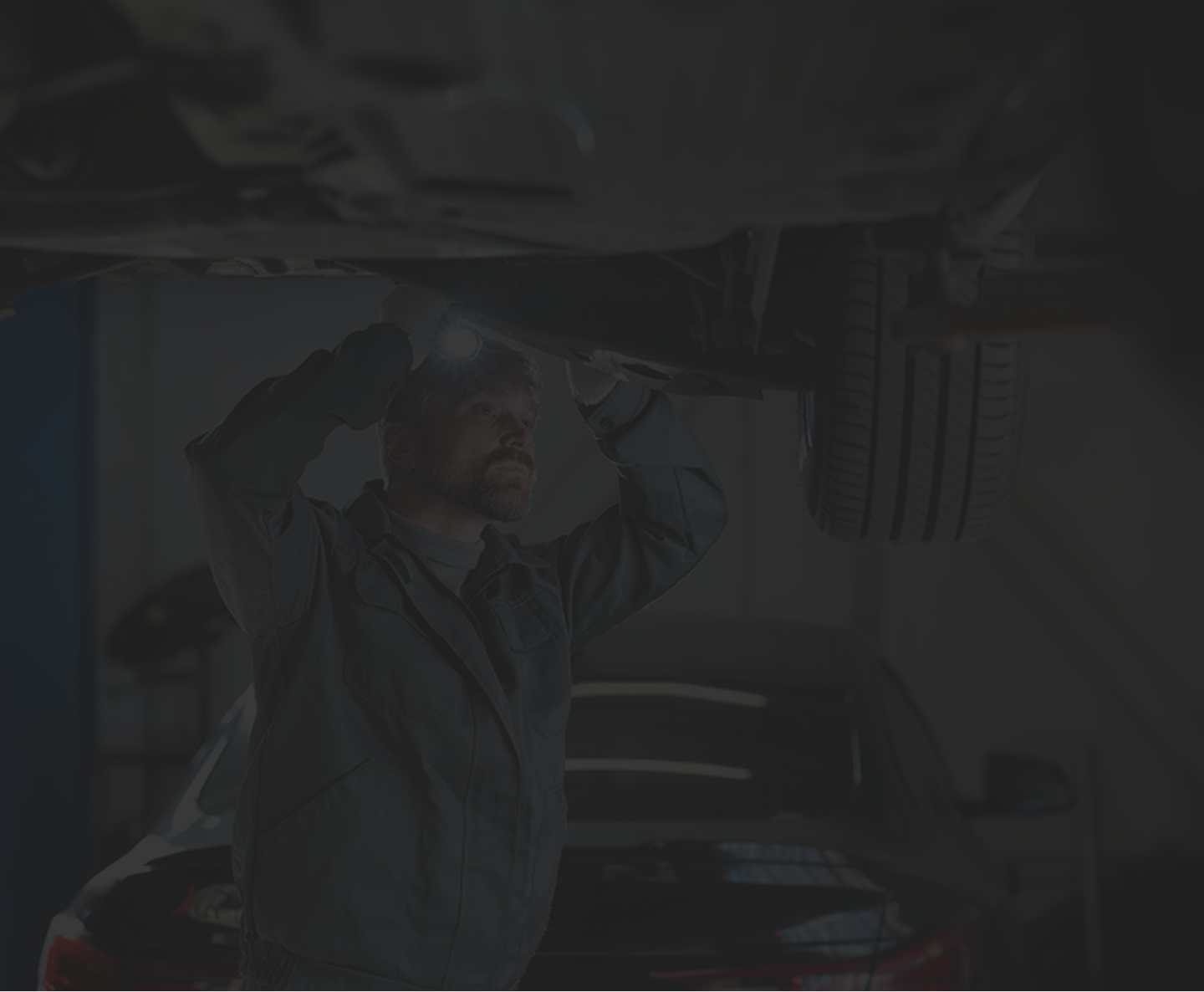
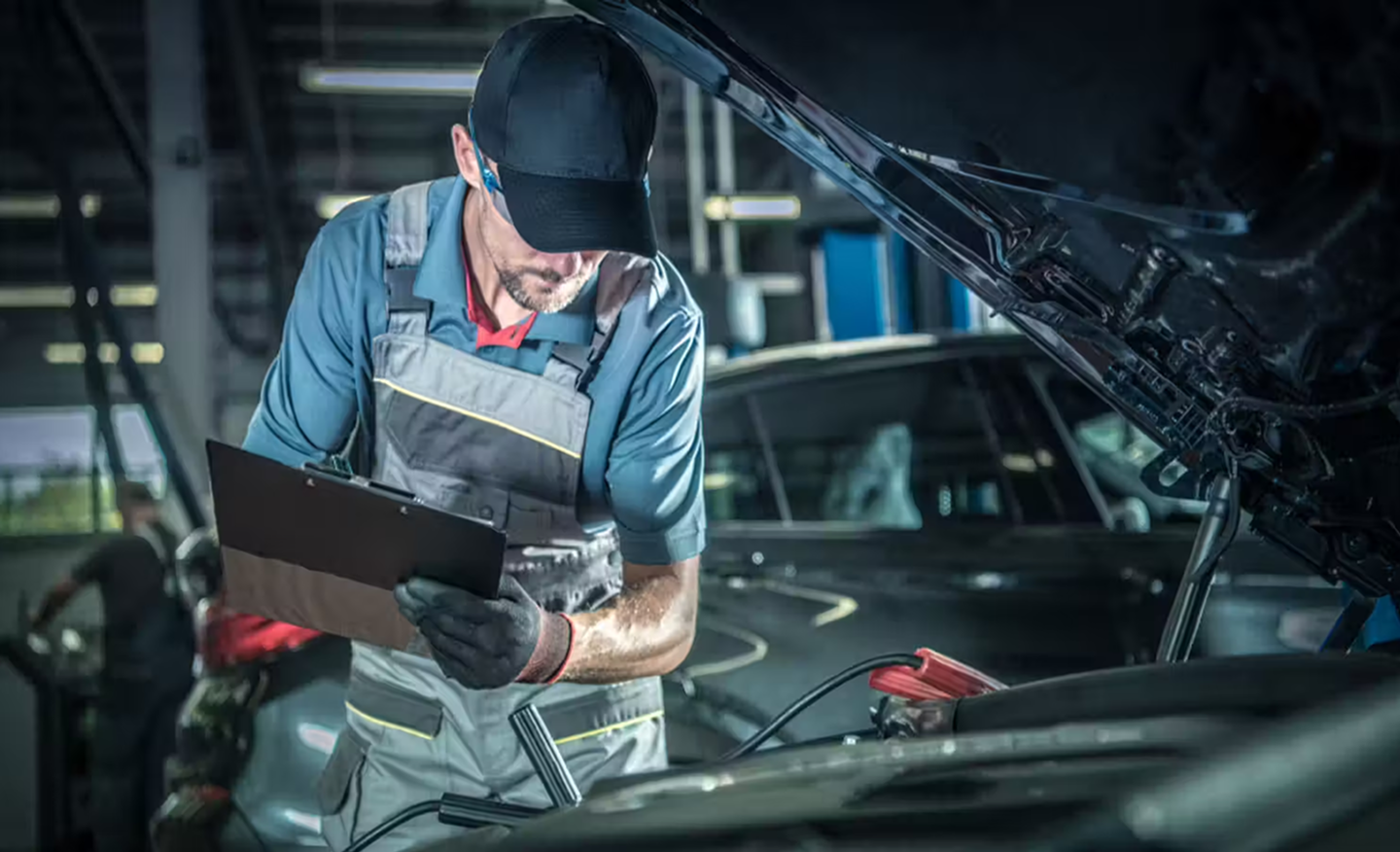
A pre‑purchase inspection is a comprehensive evaluation of a vehicle's current mechanical, electrical, and cosmetic condition — performed by a qualified mechanic in a proper shop facility.
The inspection covers major systems including the engine, transmission, suspension, brakes, steering, electrical, cooling, exhaust, and frame integrity. The vehicle is inspected on a lift, test driven, and scanned for diagnostic fault codes.
The result is a detailed report with photos and written findings — giving you a clear picture of the car's actual condition at the time of inspection.
What a pre‑purchase inspection does not do
An inspection is not a guarantee or warranty. It captures the vehicle's condition at a single point in time. It cannot predict future failures, and it cannot identify every possible issue — some problems only appear under specific conditions or after prolonged use.
An inspection does not include disassembly beyond what's accessible during a standard shop evaluation. Internal engine or transmission wear, for example, may require specialized tear‑down procedures that go beyond a pre‑purchase scope.
What an inspection does provide is informed clarity — far more than any test drive, listing description, or vehicle history report can offer on its own.
Vehicle history report vs. pre‑purchase inspection
Both are useful — but they serve different purposes. Here's how they compare.
| Vehicle History Report | Pre‑Purchase Inspection | |
|---|---|---|
| What it tells you | What happened in the past — accidents, title status, reported mileage. | What's actually wrong with the car right now — mechanical condition, wear, hidden issues. |
| Who provides it | Automated data aggregation from insurance, DMV, and auction records. | A qualified mechanic who physically examines the vehicle. |
| What it misses | Unreported accidents, current mechanical problems, wear and aging, modifications. | Historical events not visible during physical inspection. |
| Best used for | Screening vehicles before seeing them in person. | Final evaluation before committing to purchase. |
Frequently Asked Questions
Get quick answers to common queries about our process and services.
A car inspection is a detailed assessment of a vehicle's mechanical, structural, and safety condition. It helps determine the current state of the vehicle before buying, selling, or registering it.
It helps you identify hidden issues, saving you from expensive repairs later and giving you negotiation power.
Our comprehensive inspection covers the engine, transmission, brakes, suspension, electrical systems, and a complete road test.
A typical inspection takes about 1.5 to 2 hours, depending on the vehicle's condition and the type of inspection.
Yes, we provide a fully detailed written and digital report along with high-quality photos of any issues found.
Our inspection packages start from $249 for standard cars and go up to $649 for exotics and track cars.